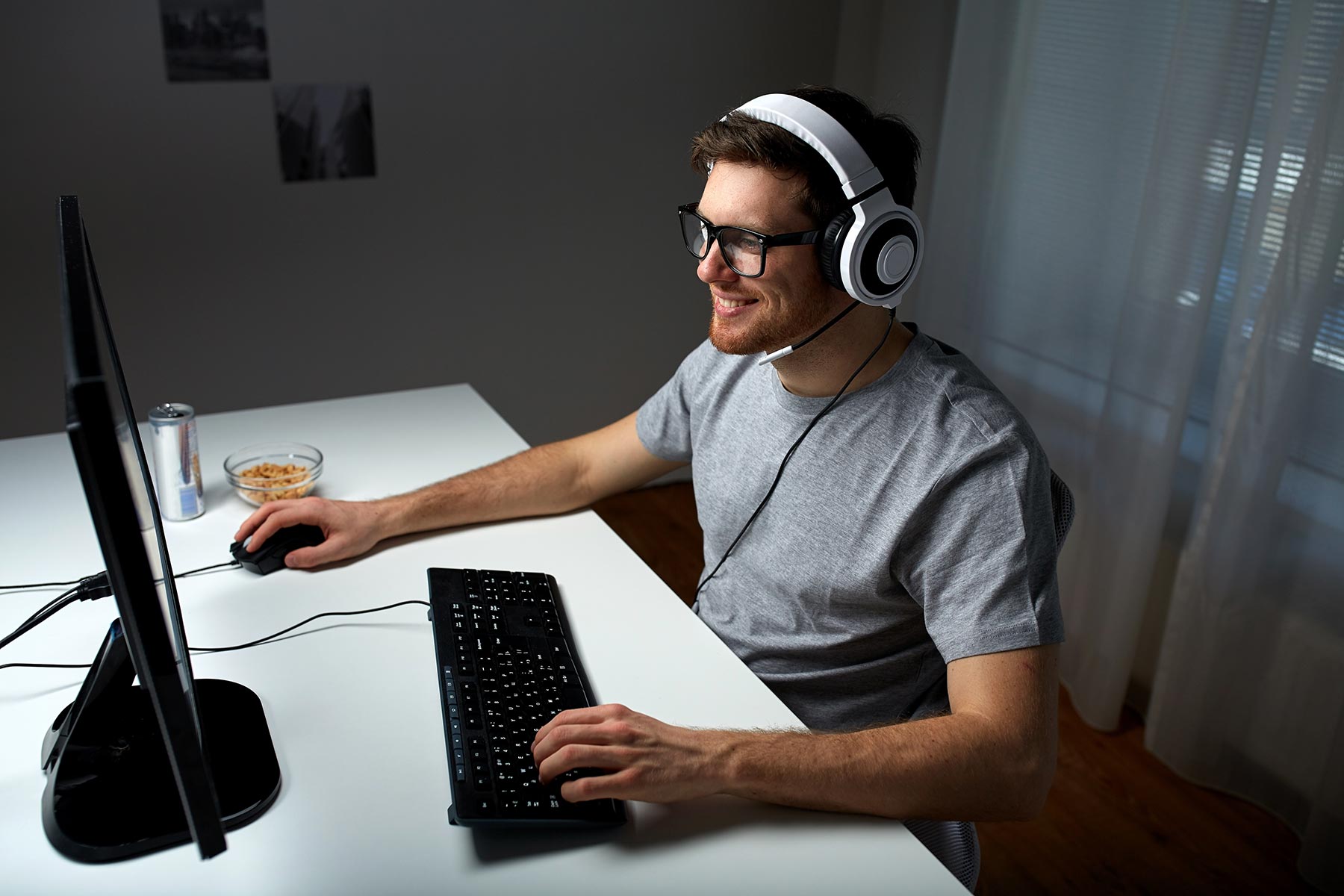
Didn’t you understand anything? Then you are obviously not one of the 34 million Germans who are enthusiastic about computer and video games. What’s special about it is that devoting your free time to a virtual round of skat, a war simulation or a fantasy role-playing game is not a phenomenon of youth. Those who enjoyed it as a child often take their enthusiasm with them into adulthood – and don’t let it go even then. And so on average , the age of German gamers has been rising for years. According to Game, the association of the German games industry, the average gamer is 37.5 years old on average. In 2019 he was still 36.4 years old. And more than 5 million are currently pensioners.
Integrate more movement
A sitting posture that has changed little over a long period of time is unhealthy for the body in many ways: the tendons shorten, the muscles degenerate, tension and pain are the result. The cardiovascular system also slows down. This applies to old and young alike. However, older people should sit much less than their younger peers because they are less able to compensate for phases of inactivity. I therefore recommend changing your sitting posture for a long evening of games. There are now real gaming chairs that the classic leather executive chair cannot compete with. They allow players to sit back for a few seconds or minutes after a fight and give their battered muscles a well-deserved break. They are also comfortable and support a straight back posture.
Change from sitting to standing
Also try out whether you can do a lot standing up. This will take some getting used to at first and will not work with every computer or video game. But a game of chess or solitaire can easily be played standing up. If you play on a laptop, you can simply switch to a standing desk. A console can also be repositioned without any problems. With a classic computer, a height-adjustable desk can work wonders. Consider it an investment in your own health. After all, hobbies are the balance of everyday life, aren’t they?
Access to the labor market is more difficult for people with disabilities than for non-disabled people. Neither the UN Convention on the Rights of Persons with Disabilities nor the goal of inclusion have made much of a difference in this respect. According to the statistics of the Federal Employment Agency, the employment rate among severely disabled people is rising continuously, but is still below the figures for people without disabilities. In 2017 – these are the most recent figures currently available – just under 47 percent of severely disabled people aged between 15 and under 65 years have worked. By comparison, the employment rate of the entire population was significantly higher at 75 percent.
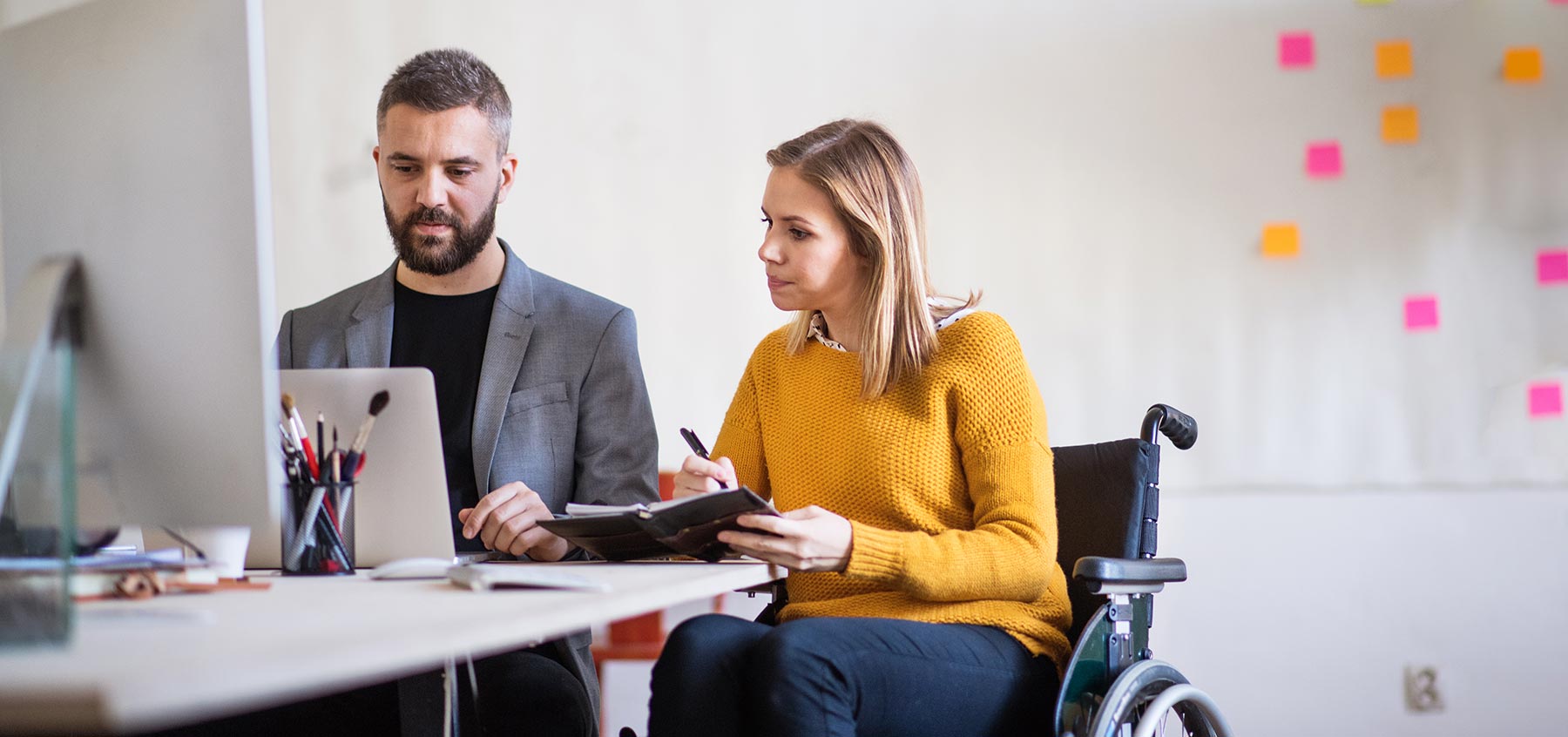
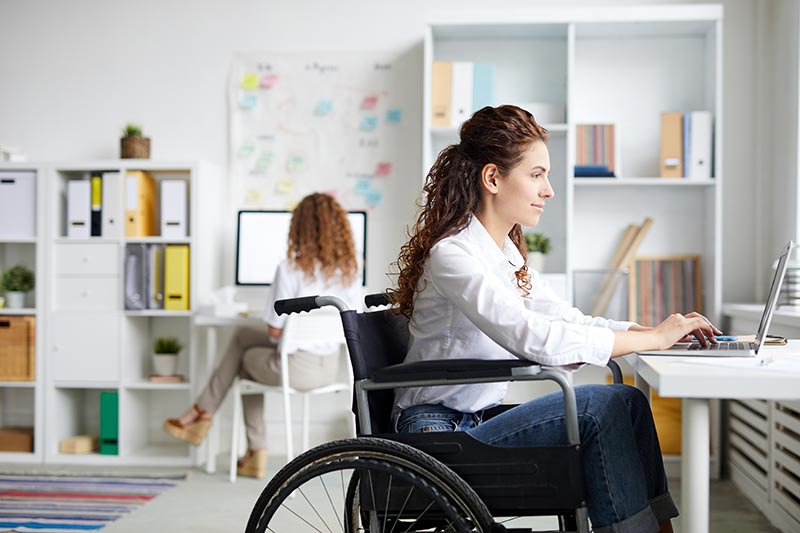
The reasons are many. One reason may be that companies shy away from hiring a disabled employee for fear of high additional costs. But these fears are unfounded. I have made the experience that jobs can be created with little effort that are also suitable for people in wheelchairs.
Height-adjustable, can be accessed underneath, accessible
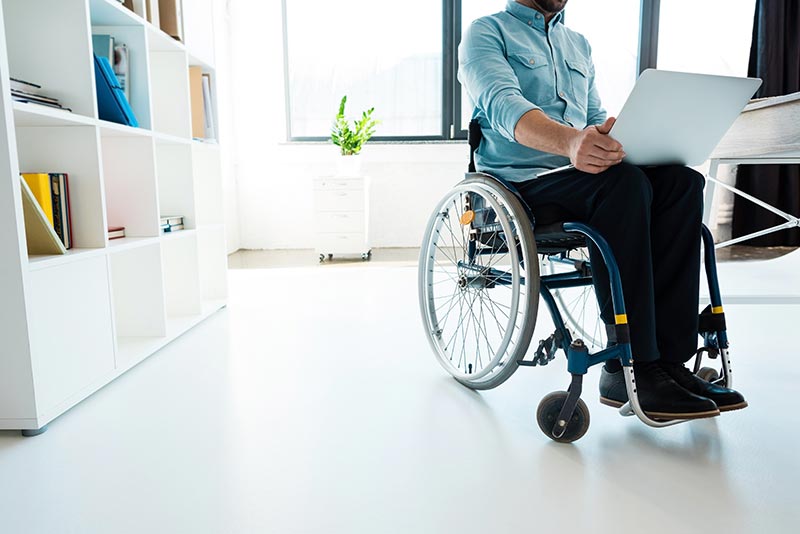
Does the term „grab space“ mean anything to you? It refers to the area of a workplace that a worker can reach with his hands without leaving his seat or location. All work equipment, tools and parts should be within easy reach. For wheelchair users it is usually between 0.38 m and 1.40 m above the floor. Whatever is below or above is not easily accessible by them. This is why the grab space has a decisive influence on the planning and design of the optimal workstation.
Additionally, the desk with the wheelchair must be accessible. Optimal is, if this is not only possible, if one approaches it only frontally, but one can also turn in. This requires a minimum height and width. This is why height adjustable desks are particularly interesting for wheelchair users. They are not only infinitely variable in height, but also suitable for tabletops up to 220 cm wide. The adjustment is done electrically, which is helpful for people with limited mobility and strength. We will be happy to help you find the best model for you.
Apply for reimbursement of costs
One more piece of good news to finish off with: Disabled employees receive benefits from their responsible integration office for participation in working life. This can also be interesting for the employer, because it too can save a lot of money for the company. If the handicapped employee can only carry out his work with technical aids, the costs for procurement, maintenance as well as for the training necessary for the operation of the aid are partly taken over and sometimes in full. In 2018, the integration offices have provided around 5 million euros for technical aids Recommendation: Configure your electrically height-adjustable desk yourself in just 2 minutes. Simply select the table frame, desktop and accessories and have them delivered free of charge to your door.
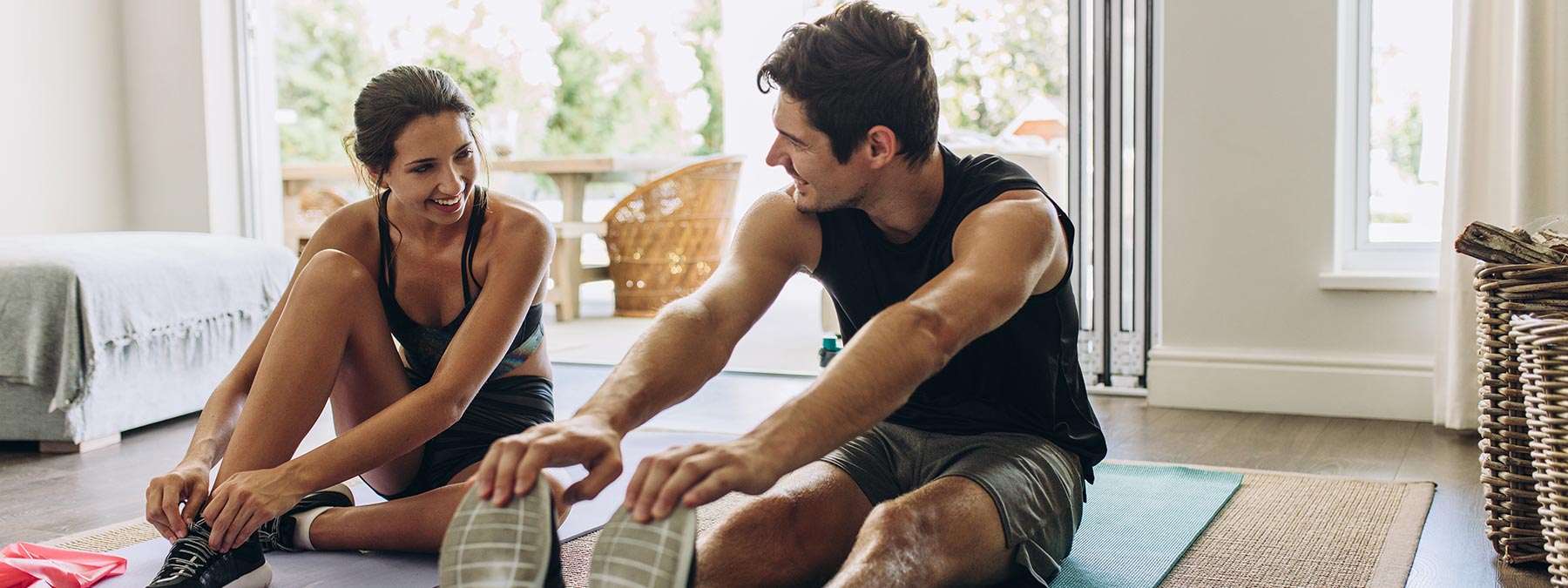
Slowly, normality is finally returning to us: After almost three months of a state of emergency, many of the strict corona restrictions are gradually being eased. When the gyms in Bavaria, the last state in Germany, reopen on 8 June, all sporting types throughout Germany will be allowed to use the treadmills again. However, many working people still remain loyal to the home office. And the daily commute to work and the many small distances we cover there every day should not be underestimated: They also contribute to our daily exercise balance. Unfortunately, they are difficult to emulate in the home office. This is often accompanied by health problems, because not everyone can find an ergonomic workplace at home. It is therefore all the more important to integrate as much movement as possible into the home office.
Develop new routines
My tip is try and develop some sporting routines. We disregard such behaviour without thinking about it or questioning its advantages and disadvantages. We make 50 percent of all decisions every day in this way, because our brain loves habits and always gives them priority. If we had to rethink and decide each time, our brain would be completely overwhelmed. Therefore, try to make a habit out of movement as well. For example, make targeted use of the time you gain by not having to walk to work. Early risers, for example, can put their running shoes right next to the bed and take a lap as soon as they get up. The aim is for our brain to link getting up and seeing the shoes with sport. This does not happen by itself, but only if there is an immediate reward, such as a good breakfast. Once the first hurdle has been cleared, the habit will eventually become a habit in itself.
Try to get outside during the breaks
It doesn’t have to be daily jogging early in the morning. For a start, it can be also sufficient just to add an outdoor walk to lunchtime. Maybe you can also do some small errands on your bike. Do you have a dog? Wonderful, just take him out for a walk more often during the day. He or she will certainly enjoy it!
Indoor fitness exercises
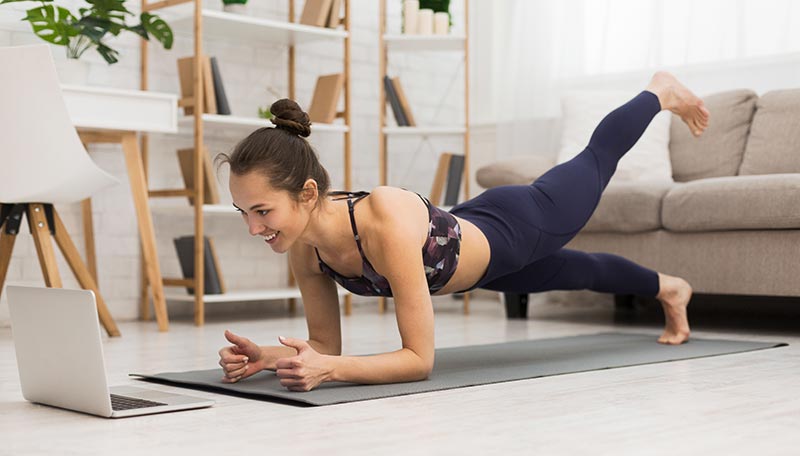
In bad weather, fitness exercises are a good alternative to stay fit and productive. Many of them can be done from home without any equipment, but with your own body weight alone. Push-ups, knee bends and crunches, for example, are familiar to everyone. A yoga mat or carpet can provide more comfort. Those who want to will certainly find creative ways to use their furniture for home workouts. By the way, when the weather is good, you can use the balcony, terrace or garden. Then you won’t miss out on fresh air either.
Eat yourself into top shape
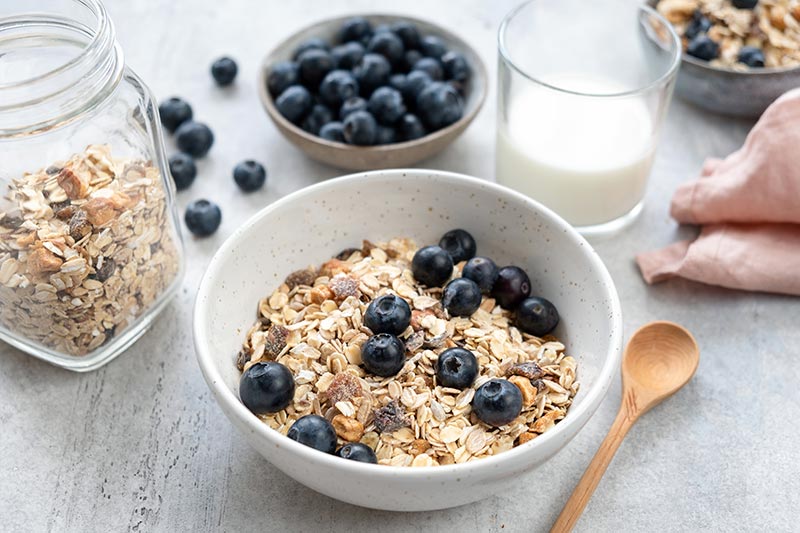
Finally, nutrition is very important to help stay fit and productive. It makes sense to eat a bite in the morning. After all, the body needs energy to get the circulation going and wake up. It starts off well with fruit, yoghurt and wholemeal bread. During the lunch break, you should opt for light food. Lean meat, fish, lots of vegetables and salads are good, the latter is best with a vinegar-oil vinaigrette. They contain vitamins as well as minerals that help to revive body and soul.
After midday, or at the latest in the afternoon, the body reaches its lowest level of performance. It cannot be completely prevented because this rhythm is deeply rooted in us. Better than going to the coffee machine would now be the hard march around the block to fill up on oxygen. And in between? Drink! Because otherwise the blood becomes thicker and the organs are less well supplied with water and oxygen. The brain suffers particularly from this and headaches can be a result. You should try and drink at least 1.5 litres a day. In summer, healthy people should drink three litres or more.
The modern world of work has many advantages in terms of accessibility or job performance. Fast internet in the home office or in a café, smartphones with countless tools and functions as well as messengers or digital conferences are now part of everyday life for many people. However, the advantage can quickly turn into a disadvantage if work does not offer any room for leisure and relaxation due to constant accessibility. People become quickly accustomed to constantly looking at their smartphone that family and friends can only shake their heads in despair.
To be able to switch off promotes performance and creativity
You will only really appreciate the importance of digital time-out in everyday life if you succeed in concluding your work with fixed rituals and allowing it to rest. You will start the new day with considerably more concentration and increased performance. Problems that were considered insurmountable the day before can possibly be solved much faster thanks to new vitality and fresh creativity. The phrase „sleep on it“ gains a completely new significance in your working life. The following tips could be helpful:
1. Make sure to close down properly
In order to finish work, a clean ending must be found. To do this, it is important that the computer is shut down completely and the desk is tidy. Sliding the supposedly obligatory office chair to the desk has a great psychological effect. This finale of the day is the beginning of a relaxing evening.
2. Rituals at the end of the day
In order to let the work rest on its own, everyday rituals will help you. Half an hour of jogging, reading newspapers or playing with the children are the starting point for your mind and body for the upcoming leisure time. Rituals can vary, but should be used regularly.
3. Write down your thoughts and follow them up the next day
In order not to fall into the work rhythm in the evening or at the weekend, you should write down thoughts that come to you outside working hours. A free mind provides ideas and innovative power. It is therefore very likely that during this time you will come up with optimisations, arguments and new strategies. Writing them down and tackling them the next working day will have a lasting effect when you do switch-off.
4. Make appointments with yourself – Planned relaxation
It is particularly helpful if you make your own personal appointments. Enter a day for gardening in your calendar, plan free time with your partner and excursions with the children or activities with friends. These fixed appointments help you to start the process of getting out of work instead of putting it off.
5. Increase the happiness factor – do the fun things in life!
As selfish as it may sound at first glance, you should increase your own personal happiness factor. Which activities and things make you particularly happy? This can be an interesting football match, relaxing or sleeping in a hammock, playing with the kids or just having a good meal. Anticipation strengthens the desire for the end of the day!
6. Conversations with family and friends.
Conversations with family and friends are stress-reducing and helpful when switching off. Certain rituals at dinner, where everyone talks about their day, can significantly reduce stress. Especially the exchange with your spouse and life partner as well as with friends can help. You should also actively deal with the problems of the other person, as these reduce your own thoughts and create completely new perspectives.
7. Go outside! Get some fresh air!
Nature has always had a positive effect on the body and mind. Walks in the forest can work wonders if your mind is in it. Alternatively, a boat trip or a bicycle tour can be planned to be out in the fresh air.
8. Turn your phone off!
The smartphone has completely changed the private world as we know it. This supposedly radical cut doesn’t have to be all evening, but when it comes to eating or other activities, a life without a smartphone can be extremely fulfilling. If you don’t want to do without it completely, you can set up emergency contacts or switch the phone to mute. So not every incoming call, every message and every mail is really noticed. Switching off from work is then so much easier.
9. Yoga, meditation or autogenic training
If you can identify with yoga or meditation and follow the instructions, they will help you to keep a clear head. Even during the breaks, yoga is a wonderful way to create a counterbalance to work. Organised work is much easier afterwards.
10. Create an atmosphere of well-being in the workplace
In order to be able to start the next day perfectly and keep the stress level particularly low in the mornings, the feel-good atmosphere at the workplace helps. A well-organised desk, a comfortable chair and perfect working tools for your tasks are helpful in turning new ideas into reality.